Dark spots, patches and uneven skin tone are among the most common reasons people visit a dermatologist in Pakistan. Our skin naturally contains more melanin, which protects against sun damage but also reacts strongly to sun, heat, hormones and inflammation. The result can be stubborn pigmentation that makeup struggles to cover.
The right pigmentation treatment in Islamabad starts with understanding which type you have. This guide covers the main causes, the treatments that work, and the mistakes that make pigmentation worse.
Common Types of Pigmentation
| Type | How it looks | Common cause |
|---|---|---|
| Melasma | Symmetrical brown patches on cheeks, forehead, upper lip | Hormones, sun, heat, genetics |
| Post-inflammatory hyperpigmentation (PIH) | Dark marks where pimples, cuts or rashes were | Inflammation or injury to the skin |
| Sun spots (solar lentigines) | Small flat brown spots on face and hands | Long-term sun exposure |
| Freckles | Small light-brown dots that darken in summer | Genetics and sun |
| Periorbital pigmentation | Dark circles around the eyes | Genetics, thin skin, rubbing, allergies |
| Steroid or cream-induced | Patchy darkening and redness | Misuse of unprescribed fairness creams |
Why Pigmentation Is So Common in Islamabad
- Strong UV exposure for much of the year, plus visible light and heat that also trigger melanin.
- Skin type: Fitzpatrick III to V skin produces pigment readily after any irritation.
- Acne and skin picking, which leave long-lasting dark marks.
- Hormonal changes from pregnancy, contraceptive pills or PCOS.
- Unregulated whitening creams containing steroids or mercury, which damage skin over time.
Clinic Treatments for Pigmentation
Most pigmentation improves best with a combination approach. Depending on your skin, Dr. Lubna Zahir may recommend:
Prescription creams
Doctor-prescribed products containing ingredients such as azelaic acid, retinoids, tranexamic acid, niacinamide, kojic acid or, for short supervised courses, hydroquinone, help reduce pigment production.
Chemical peels
Medical chemical peels gently remove pigmented surface cells and boost cell turnover. For darker skin, peel strength and timing are chosen carefully to avoid rebound pigmentation.
Laser toning
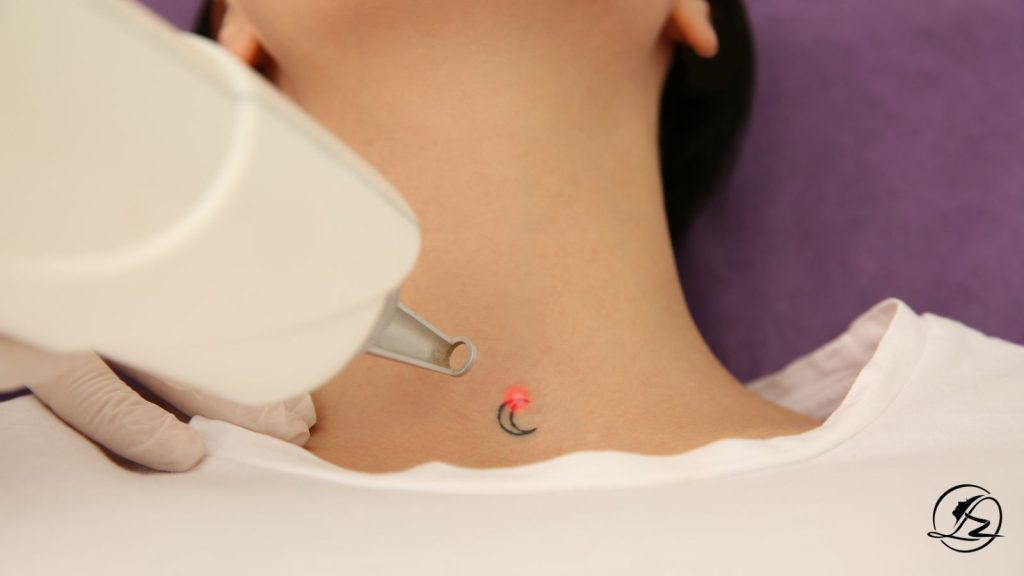
Low-energy laser toning, such as Q-switched Nd:YAG at settings suitable for South Asian skin, can break up excess pigment gradually over several sessions.
Microneedling and skin boosters
Microneedling, sometimes with brightening serums, and mesotherapy can improve texture and tone together.
Brightening facials
HydraFacial and carbon laser facials give a visible glow and support longer-term pigment treatment.
For hormonal patches specifically, see our dedicated melasma treatment page. For a brighter, more even complexion overall, you can also read about our skin brightening treatments.
Mistakes That Make Pigmentation Worse
- Skipping sunscreen, even on cloudy days or indoors near windows.
- Using unprescribed “formula” or whitening creams from markets or salons.
- Aggressive scrubbing, harsh home peels or lemon and baking soda remedies.
- Expecting overnight results and switching treatments too quickly.
- Picking at pimples and scabs.
Daily Care to Protect Your Results
- Apply a broad-spectrum sunscreen of SPF 30 or more every morning, and reapply when outdoors. Tinted sunscreens with iron oxides also block visible light.
- Wear a wide-brimmed hat and sunglasses during peak sun hours.
- Use a gentle cleanser and a moisturiser to keep your skin barrier healthy.
- Apply your prescribed brightening products consistently.
- Treat acne early to prevent new marks.
The American Academy of Dermatology’s sunscreen guidance is a useful reference for choosing the right product.
How Long Does Pigmentation Treatment Take?
Acne marks often fade noticeably within two to three months. Sun spots may respond in a few sessions. Melasma is a long-term condition: it can be improved a great deal, but it tends to return with sun or hormonal triggers, so maintenance is part of the plan. Your doctor will give you a realistic timeline at your consultation.
Book Your Consultation with Dr. Lubna Zahir
Pigmentation responds best to an expert plan, patience and daily sun protection. Visit Dr. Lubna Zahir Aesthetic Clinic at Sarran Plaza, Sagheer Market, Street 40, F-10/4, Islamabad, open Monday to Saturday, 11:00 am to 7:00 pm. Call +92 315 6222388 or message us on WhatsApp 0315 6222388 to book a personal skin consultation. You can also send us a message through our contact page.
Frequently Asked Questions (FAQs)
What is the best pigmentation treatment in Islamabad?
There is no single best treatment. Most people get the best results from a combination of prescription creams, strict sun protection and in-clinic treatments such as chemical peels, laser toning or microneedling, chosen for their pigment type and skin tone.
Can pigmentation be removed permanently?
Acne marks and some sun spots can fade completely. Melasma can be greatly improved but may return with sun exposure or hormonal changes, so ongoing care is important.
Is laser safe for pigmentation on brown skin?
Yes, when the right laser and settings are used by an experienced doctor. Aggressive settings can cause darkening, so treatment on South Asian skin should always be conservative and supervised.
How many sessions of pigmentation treatment will I need?
Most patients need four to six sessions of peels or laser toning spaced a few weeks apart, along with daily home care. Your doctor will advise based on your skin.
Are whitening creams safe?
Many unregulated whitening creams contain hidden steroids or mercury, which can cause thinning, acne, redness and worse pigmentation. Only use brightening products recommended by a doctor.
Which sunscreen is best for pigmentation?
A broad-spectrum sunscreen with SPF 30 or higher, applied generously and reapplied outdoors. Tinted mineral sunscreens with iron oxides offer extra protection against visible light, which also triggers pigment.